Protecting Dogs in Freezing Temperatures
Jan 26, 2026
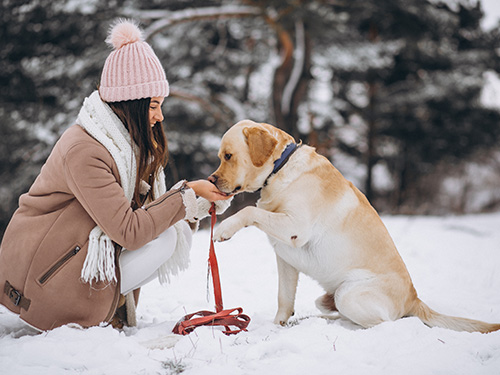
Winter often subjects dogs to cold, ice, and chemicals, requiring owners to protect their pets by limiting their outdoor time. Use booties and coats for vulnerable animals such as small, short-haired, senior, or sick pets and protect their paws from salt. Additionally, provide warm shelter and water, and be mindful of dangerous temperatures — below 32°F is risky and below 20°F is dangerous for most. Hypothermia and frostbite are risks, so watch for shivering, anxiety, or lifted paws, and prioritize indoor exercise on harsh days.
Dogs are fine to go out for a walk on any day the high reaches 45 degrees or more, but even this cold makes some breeds uncomfortable. If the temperatures are 32 to 45 degrees, use caution if you have small, thin-coated, young, old, or sick dogs and keep your outings short. Temperatures below 20 degrees are considered dangerous for most dogs, and their risk of frostbite and hypothermia increases significantly. There are several risks involved when you take dogs outside during freezing temperatures, including hypothermia, frostbite on their ears, paws, or tail, paw pad irritation from salt or ice, and poisoning from licking de-icers.
If you need to walk your dogs during snowy or icy conditions, use caution. Limit your time outside. Keep walks short, especially in extreme cold. Protect their paws by using booties or paw balm to shield their paws from ice and salt. Wipe their paws thoroughly after each walk. Use a coat or sweater to keep short-haired and small breeds warmer. Steer clear of frozen water and chemically treated areas. Take your dogs back inside if they begin shivering, whining, slowing down, or holding up their paws.
Take care of your dogs by providing a warm place. Ensure any outdoor pets have an insulated shelter and warm bedding. Keep them hydrated by providing fresh, unfrozen water. Remember that they may need slightly more food as they burn calories to stay warm.
If you decide that it’s just too cold to go outside, provide other ways for your pet to enjoy some time with you. Use puzzle toys, training, or indoor games to provide ways for them to exercise. The extreme cold usually only lasts for a few days, and you’ll be back to going on your normal walks in no time at all.
For more information or to prepare for keeping your dog warm during the cold weather, visit your local Co-op.
Dogs are fine to go out for a walk on any day the high reaches 45 degrees or more, but even this cold makes some breeds uncomfortable. If the temperatures are 32 to 45 degrees, use caution if you have small, thin-coated, young, old, or sick dogs and keep your outings short. Temperatures below 20 degrees are considered dangerous for most dogs, and their risk of frostbite and hypothermia increases significantly. There are several risks involved when you take dogs outside during freezing temperatures, including hypothermia, frostbite on their ears, paws, or tail, paw pad irritation from salt or ice, and poisoning from licking de-icers.
If you need to walk your dogs during snowy or icy conditions, use caution. Limit your time outside. Keep walks short, especially in extreme cold. Protect their paws by using booties or paw balm to shield their paws from ice and salt. Wipe their paws thoroughly after each walk. Use a coat or sweater to keep short-haired and small breeds warmer. Steer clear of frozen water and chemically treated areas. Take your dogs back inside if they begin shivering, whining, slowing down, or holding up their paws.
Take care of your dogs by providing a warm place. Ensure any outdoor pets have an insulated shelter and warm bedding. Keep them hydrated by providing fresh, unfrozen water. Remember that they may need slightly more food as they burn calories to stay warm.
If you decide that it’s just too cold to go outside, provide other ways for your pet to enjoy some time with you. Use puzzle toys, training, or indoor games to provide ways for them to exercise. The extreme cold usually only lasts for a few days, and you’ll be back to going on your normal walks in no time at all.
For more information or to prepare for keeping your dog warm during the cold weather, visit your local Co-op.